
Forget the get-rich-quick schemes. Here is the pragmatic, step-by-step technical guide to building a legitimate dropshipping business on Shopify that actually generates healthy margins.
Disclosure: mizostoreforge is an independent publication. This article contains affiliate links. If you start your store using our links, we may earn a commission at no extra cost to you.
The Reality of Dropshipping Today
Dropshipping is fundamentally just a fulfillment model. You are the digital storefront, and your supplier handles inventory and shipping. In 2026, the winners in dropshipping are not those who just import random cheap products. The winners are merchants who build branded, fast-loading Shopify stores and partner with reliable suppliers.
Step 1: The Essential Tech Stack
To start dropshipping seamlessly, you only need two core pieces of software:
- Shopify: your storefront, checkout, and control center.
- A sourcing app (like DSers or Zendrop): the bridge that connects your store to suppliers and automates order fulfillment.
Step 2: Setting Up Your Shopify Store
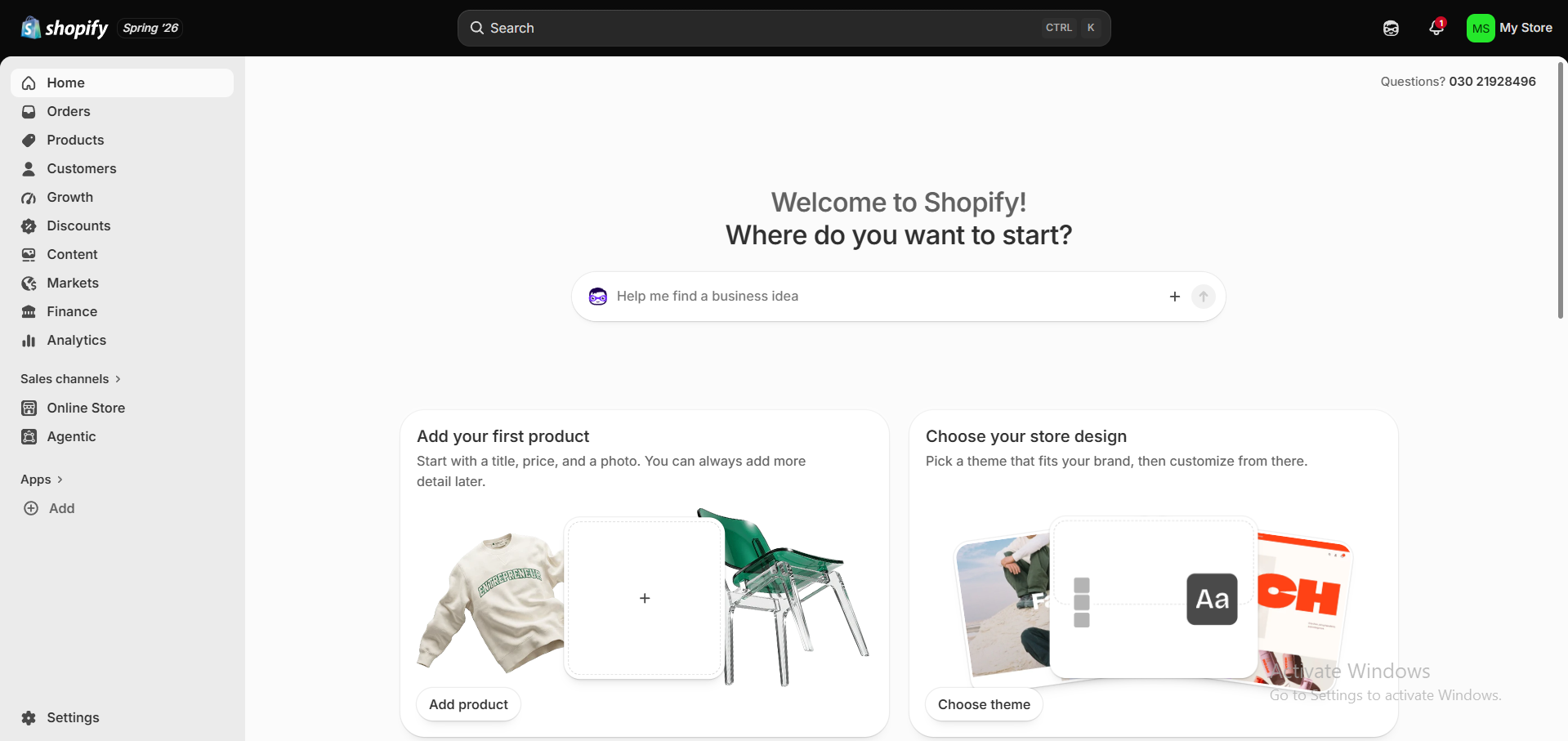
Before you import a single product, your foundation must be solid.
- Create your Shopify account and secure your store name.
- Select a clean, conversion-focused theme (the free 'Dawn' theme is perfect for dropshippers).
- Set up your essential pages: Contact Us, Shipping Policy, Refund Policy, and Privacy Policy. Trust is the currency of dropshipping.
Step 3: Connecting Your Sourcing App
Go to the Shopify App Store and install DSers (the official AliExpress dropshipping partner) or Zendrop (great for faster US and EU shipping).
- Link the app to your Shopify store.
- Use the app's dashboard to search for products with high profit margins and fast shipping times.
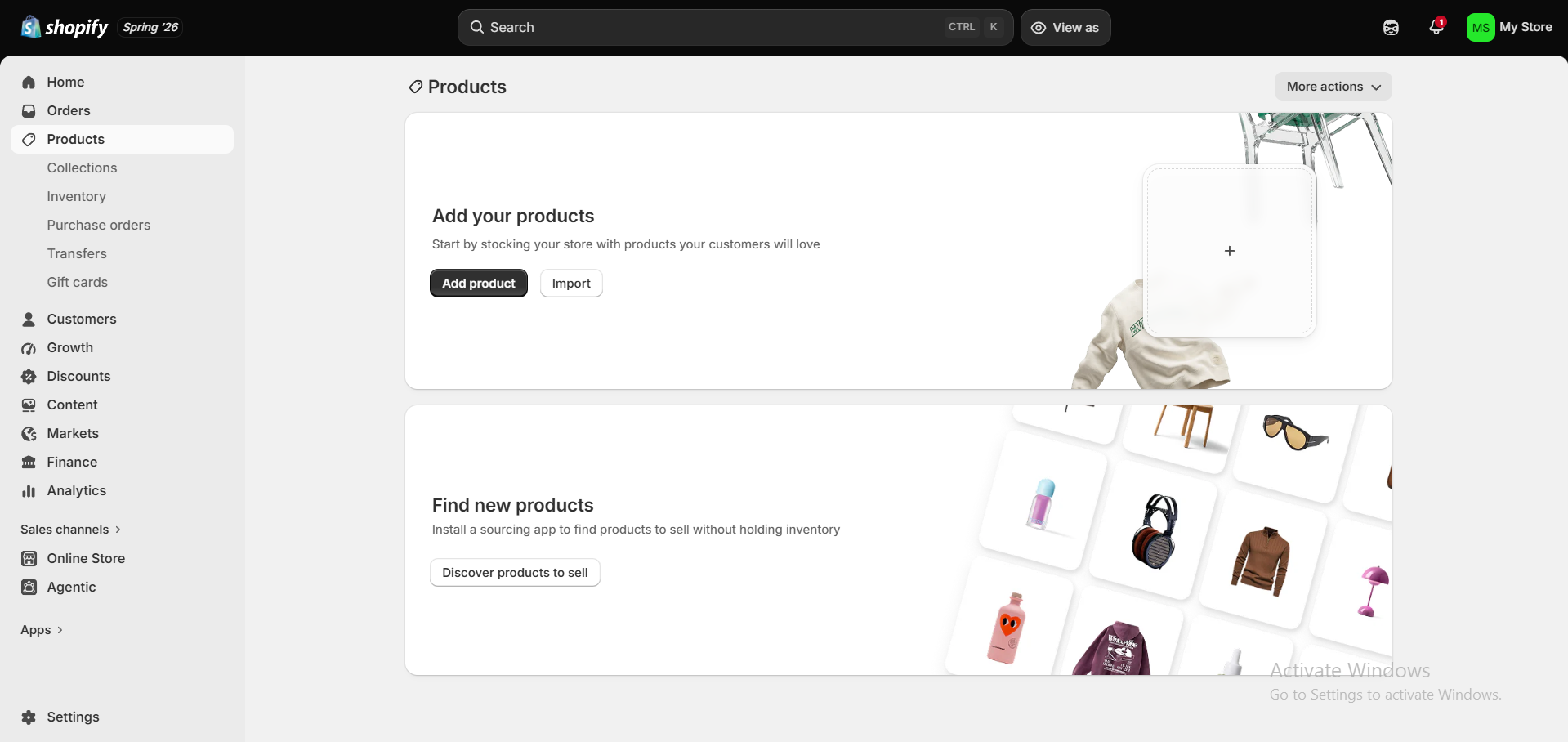
- Click "Import to Store" to automatically pull product photos, variants, and descriptions directly into your Shopify dashboard.
Step 4: Pricing for Profit
A common mistake beginners make is pricing too low. To survive ad costs, you need strong margins.
The Golden Rule: try to price your product at least 3x your cost of goods sold (COGS). If a product costs you $10 (including shipping), your retail price should be around $29.99 to give you enough room for marketing.
Step 5: Getting Your First Sale
You do not need a massive marketing budget. Start with organic reach on TikTok or Instagram Reels by ordering a sample of your product and filming authentic, problem-solving content. Once you see organic traction, you can reinvest those profits into paid Meta or TikTok ads.
Ready to Build?
The barrier to entry has never been lower, but the barrier to success requires execution.
The Bottom Line
Dropshipping in 2026 is a real business, not a lottery ticket. Treat it like one by building a branded store, vetting suppliers with sample orders, pricing for healthy margins, and reinvesting early profits into content and ads that actually convert. Execution and patience separate the stores that last from the ones that vanish in a month.
Frequently Asked Questions
How much money do I need to start dropshipping?
You can launch for the price of a Shopify plan plus a small product testing budget, often a few hundred dollars total. The real investment is time spent on branding, product research, and content rather than upfront inventory.
Is dropshipping still profitable in 2026?
Yes, but margins come from branding and marketing skill, not from selling the cheapest generic product. Stores that build trust, offer reasonable shipping, and price at three times their cost of goods can run healthy, sustainable margins.
How do I handle long shipping times from suppliers?
Choose suppliers with US or EU warehouses through apps like Zendrop when possible, set clear delivery expectations on every product page, and communicate proactively. Honest, fast support turns a slow shipment into a loyal customer.