Print-on-demand lets you sell physical products without ever holding stock or packing a box. A partner prints and ships each item only after a customer buys it, which turns your entire business into design, branding, and marketing. It is the lowest-risk way to start a product business, as long as you understand where the margins actually live.
How the Print-on-Demand Model Works
When a customer places an order, it flows automatically to your print partner, who produces the item and ships it directly to the buyer. You never touch inventory and never gamble money on stock that might not sell. Your only investment is time spent on artwork, listings, and reaching the right audience.
Choosing a Partner: Printful vs Printify
Two names dominate the space, and each suits a slightly different priority. Both integrate directly with Shopify and automate fulfilment for you:
- Printful: consistent, higher-end quality with tightly controlled in-house production, at a slightly higher base cost.
- Printify: a marketplace of print providers that often offers lower prices and more product variety, with quality that varies by provider.
- Either way: always order samples of your own products before you sell them, because your name is on the result, not theirs.
Picking High-Margin Products
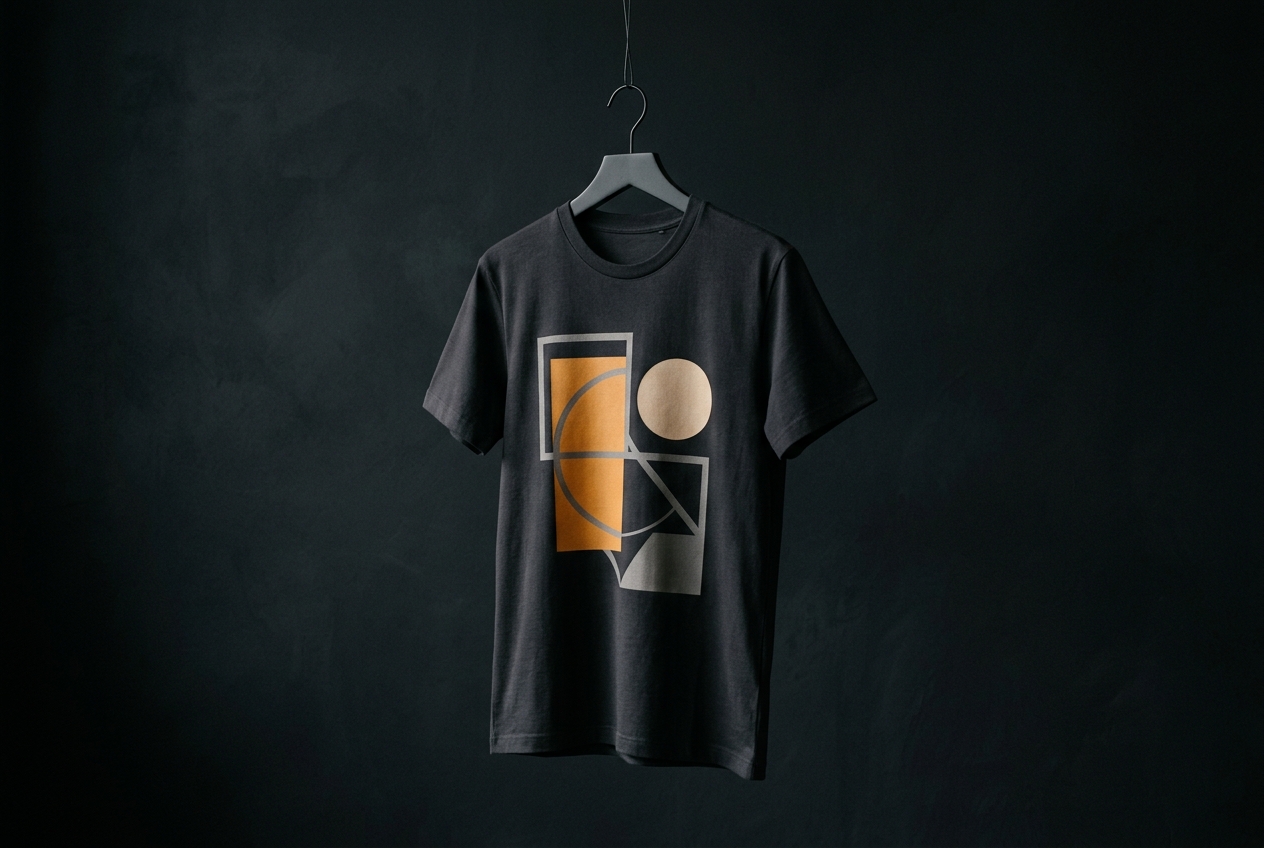
Because anyone can list the same blank t-shirt, your artwork and niche are the entire competitive advantage. Favour products with healthy margins and strong perceived value, and design for a specific community with a specific point of view rather than for everyone. Depth builds a brand; a generic catalogue builds a junk drawer.
Designing Products That Actually Sell
In print-on-demand, your design and your niche are the entire business, because the blank product is available to everyone. The winners are rarely the prettiest graphics; they are the ones that speak directly to a specific community's identity, humour, or passion. A shirt that makes a particular group feel seen will outsell a generic trend design every time.
Start narrow and go deep. Pick one audience you understand, create designs that genuinely resonate with them, and build a brand voice around that shared interest. It is far easier to become the obvious choice for a focused community than to be a forgettable option for everyone, and depth is what turns a hobby store into a real brand.
Pricing for Profit
Because per-unit costs in print-on-demand are higher than bulk manufacturing, pricing is where many new stores quietly go wrong. Your price has to cover the base product cost, the platform and payment fees, your marketing spend, and still leave a margin worth the effort. Underpricing to feel competitive is the fastest way to work hard for almost nothing.
Anchor your pricing on the perceived value of the design and the niche, not just the blank item's cost. Customers buying into an identity or a community will happily pay more than the price of a plain garment, so sell the meaning and the brand rather than competing on being the cheapest option available.
Handling Shipping Delays and Support
The trade-off for zero inventory is longer, less predictable shipping, since each item is made to order. Set clear expectations on your product pages and in your confirmation emails so no one is surprised. When delays happen, respond quickly, honestly, and kindly, because how you handle a slow shipment often matters more to a customer than the delay itself.
The Bottom Line
Print-on-demand rewards founders who understand that design, niche, and service are the real product, not the blank garment underneath. Keep your risk low by holding no inventory, but invest seriously in artwork that speaks to a specific community and in a brand voice that makes people feel they belong. That identity is what lets you charge more than the price of a plain item.
Price for genuine profit, order samples before you sell, set honest shipping expectations, and treat every support message as a chance to build loyalty rather than a chore. Do these things consistently and the model delivers exactly what it promises: a lean, creative business you can start with almost no capital and grow from anywhere without ever packing a single box yourself.
As a closing thought, patience and consistency win in print-on-demand. The founders who succeed are rarely the ones with the flashiest launch; they are the ones who test many designs, keep the winners, and steadily build a brand around a community. Treat it as a long game and the low-risk model becomes genuinely rewarding over time.
Frequently Asked Questions
What are typical POD profit margins?
Margins usually run lower than bulk manufacturing, often in the twenty to forty percent range, so strong design and smart pricing on high-value items matter most.
Who handles returns?
Policies vary by partner, but print-on-demand items are made to order, so returns are typically limited to defective or misprinted products rather than change-of-mind refunds.
How long does POD shipping take?
It includes production plus delivery, so it is longer than holding stock, and setting clear expectations up front is the best way to keep customers happy.